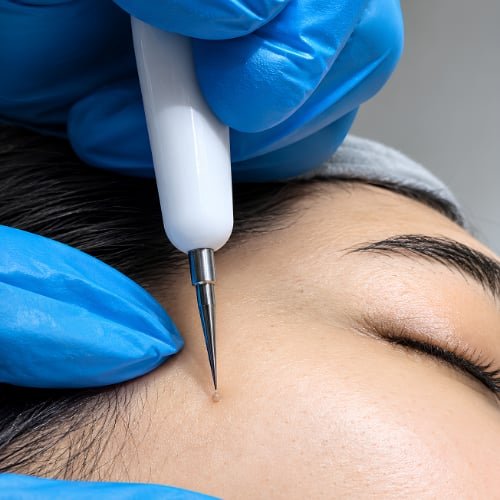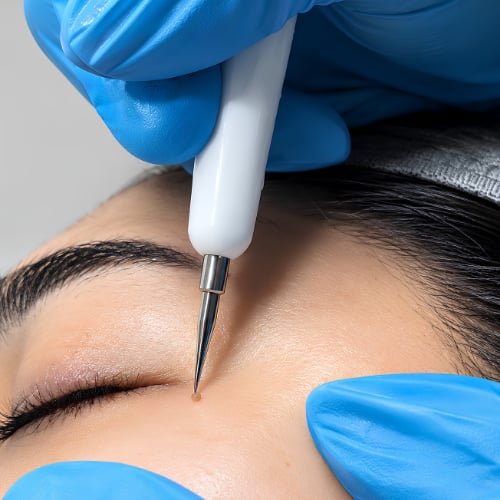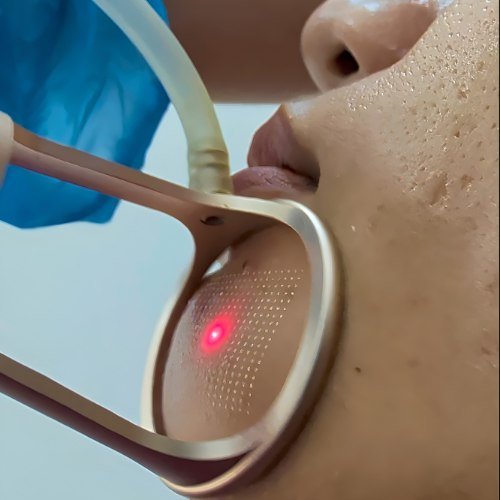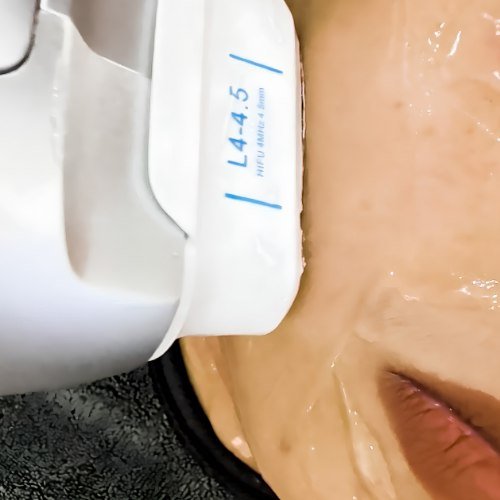

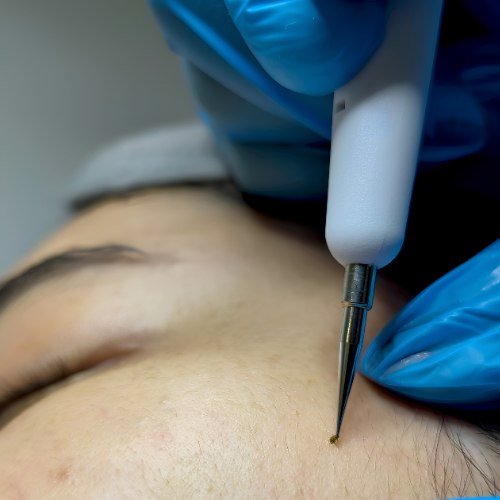
What it actually does
We remove suitable superficial growths within a defined area. The method depends on the type, size, number and location of the lesions. No single technique fits every growth, which is why the assessment comes before the removal.
The assessment matters most
Not everything that looks like a wart is one. A clinician checks each lesion first, and anything suspicious or uncertain is referred for proper medical evaluation before we touch it. We will never remove something that should have gone for a second opinion.
Signs we take seriously include a growth that is changing in size, shape or colour, bleeds without being injured, or looks different from the others around it.
Who it is for
Common superficial warts, skin tags and similar small growths on the face, neck, underarms or body, in a defined area rather than widespread across the skin.
What to expect
A quick, targeted treatment, usually 15 to 30 minutes per area. Each spot forms a small scab that heals over several days to two weeks, depending on the method. Many people need only one visit. Some lesions, especially viral warts, need a review and a second treatment.
Aftercare
- Keep the area clean and dry.
- Do not pick the scabs. Let them come away on their own.
- Use sunscreen on healing spots on the face and neck to avoid dark marks.
- Tell us if anything looks inflamed rather than settling.
Questions we are often asked
Will the wart come back?
Viral warts can come back, because the virus can stay in the skin. Skin tags usually do not regrow in the same spot, though new ones can form elsewhere. If something returns, we review it.
Will it leave a scar?
Most superficial growths heal with little or no mark. Larger or deeper lesions carry more risk, and we will tell you before we start.
What does “per area” mean?
Pricing is set for a defined area, such as the neck or the underarms, rather than per growth. Your clinician confirms the area and the price at the consultation.